Tom, ke6ynh, asks…
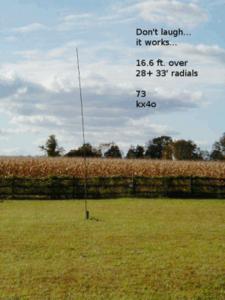
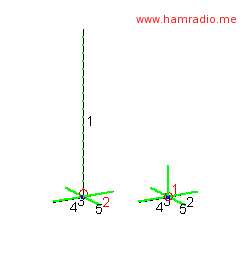
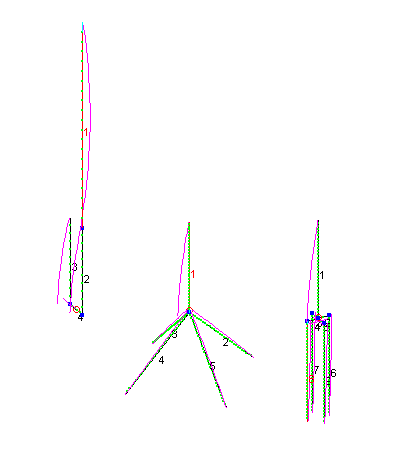
“Why don’t hams like vertical dipole antennas.
Ham Radio . Magnum Experimentum
Antennas, experiments, engineering and other articles of interest to radio folks.
Discussions including the topic of dipole antennas.
I built a prototype APRS beacon, dubbed Thor Hammer (big), to test back-packable APRS 2m beacon concepts.
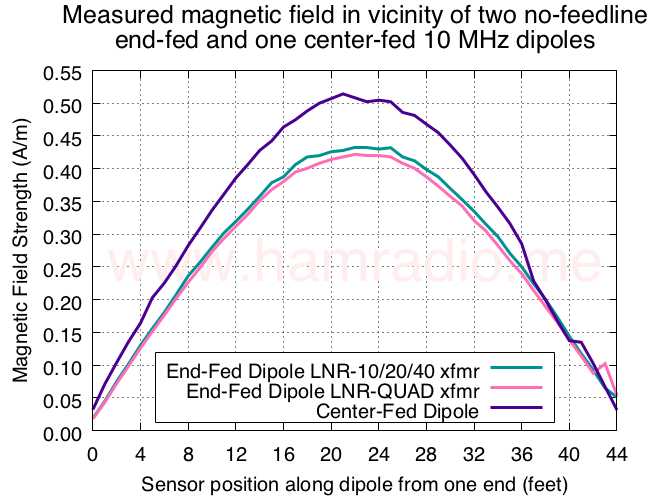
Testing confirms an end-fed dipole can energize the radiator nearly as well as a center-fed without need of additional counterpoise or other extraneous conductors.
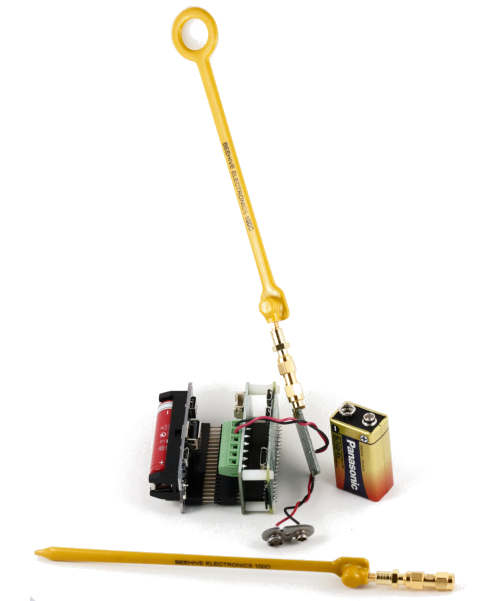
Careful selection of quality probes joined with the Raspberry Pi offerings yields a wireless E and H field sensor for accurate antenna analysis.
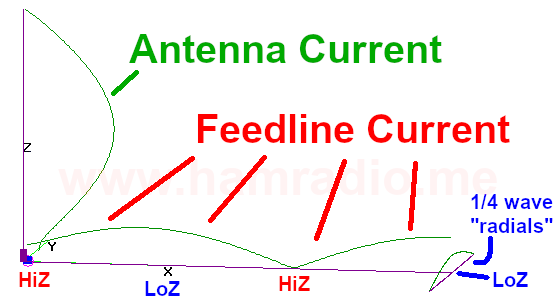
Simulations suggest end-fed and center-fed half-wave dipoles share sensitivity to various feedline lengths, but in differing and manageable ways.
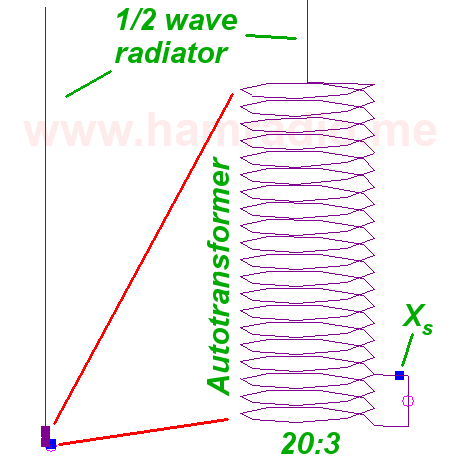
A NEC model that includes the transformer helix helps demystify the end-fed half-wave (EFHW) dipole antenna using the autotransformer as impedance converter.
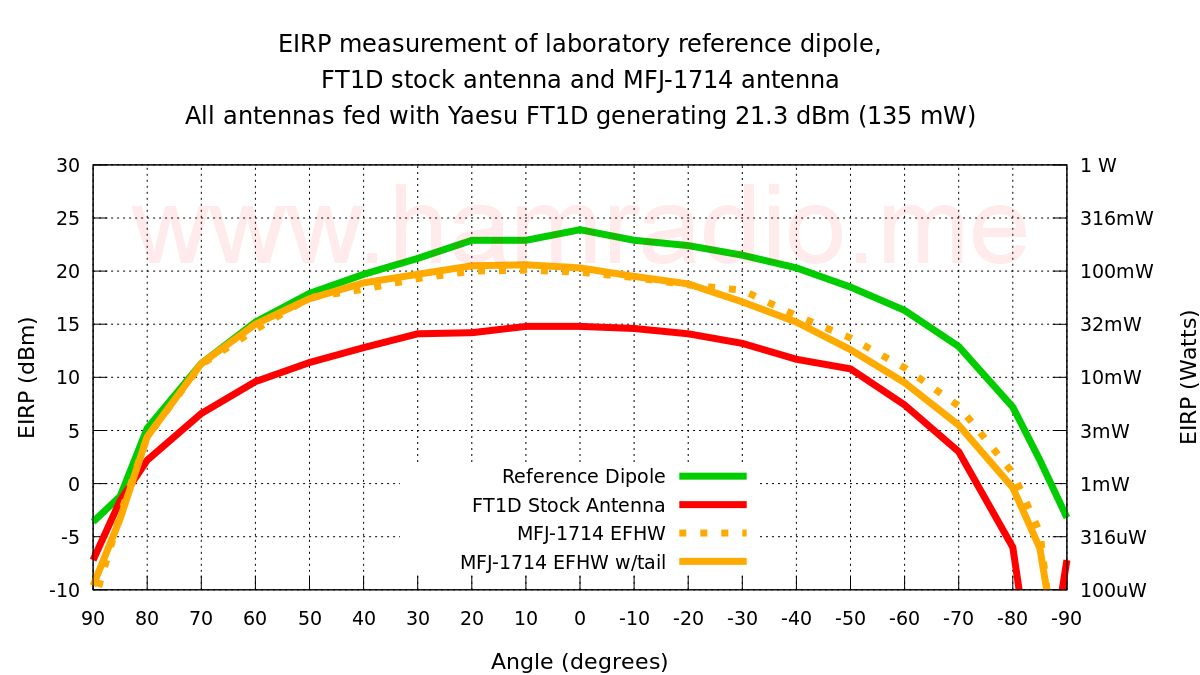
EIRP measurements of the 2m end-fed half-wave HT antenna from MFJ aids understanding a dipole is a dipole no matter where you feed it.
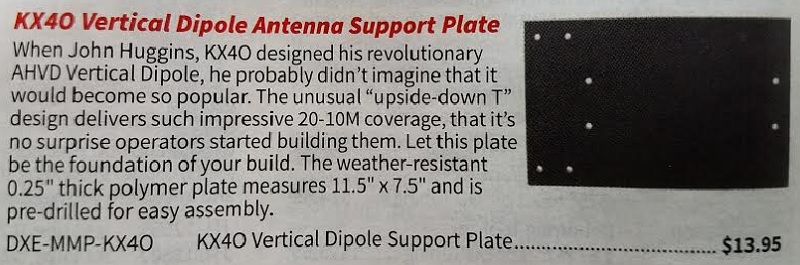
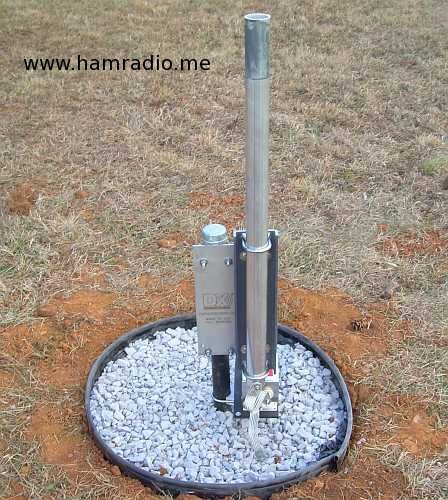
DX Engineering supports the build of the Asymmetrical Hatted Vertical Dipole (AHVD) antenna with standard and two custom parts.
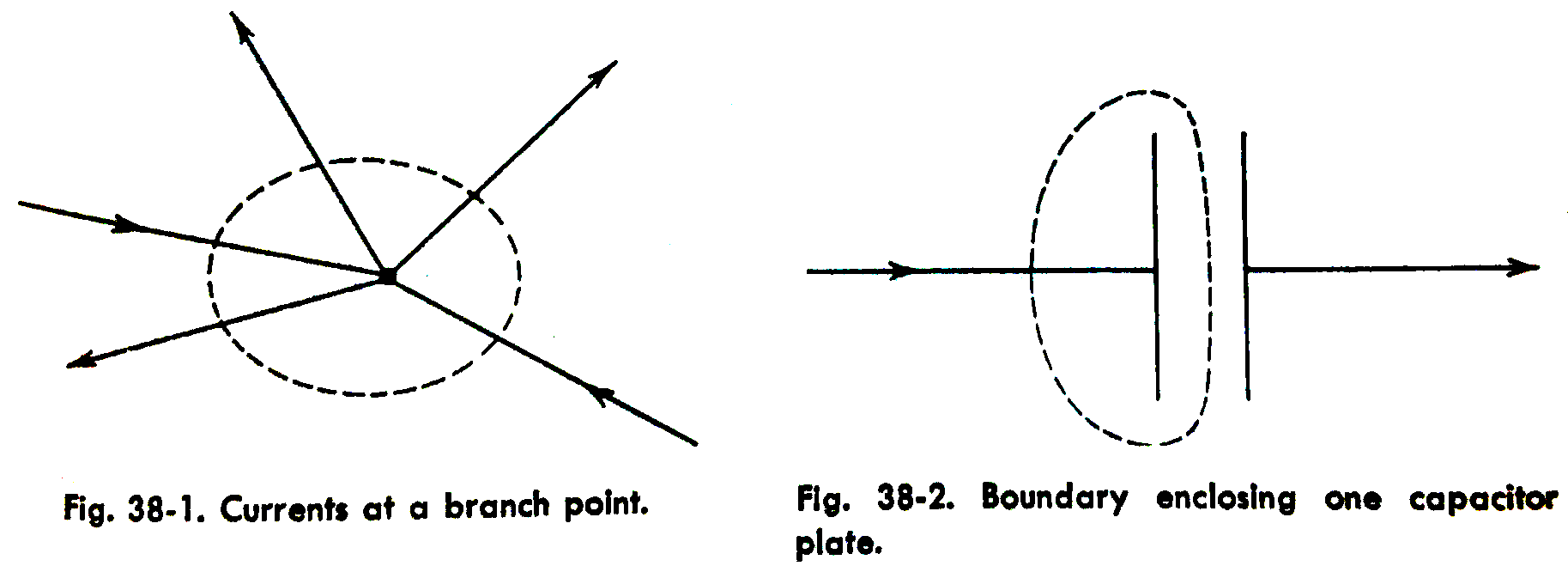
Displacement current explains why the ends of dipole antennas have something more than zero current.
Understanding how feed position along the half-wave dipole antenna affects the electric and magnetic fields around it.
Is a dipole antenna defined by its behavior alone or also how one energizes it? The answer exists in IEEE and historical literature.
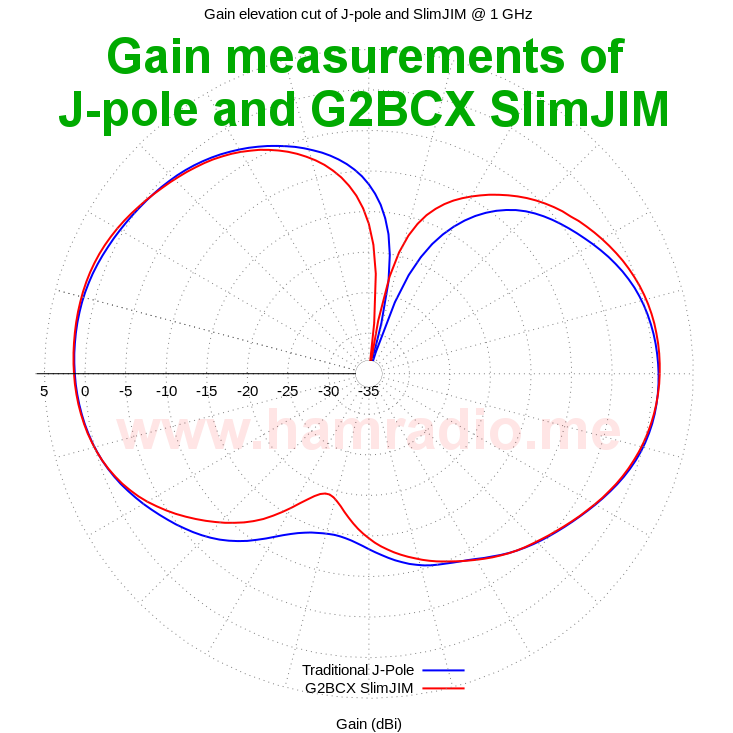
Real measurements of a Slim Jim antenna and traditional j-pole antenna reveal the truth about their respective gain and pattern.
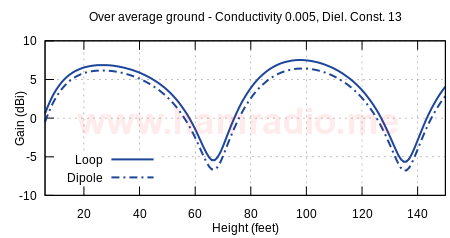
Observations from the Virginia QSO Party confirm simulation results concerning horizontal antennas and NVIS propagation.
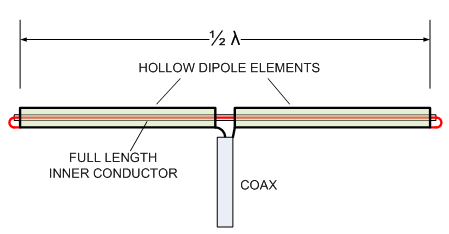
G4CQM provides details on a Yagi-Uda coaxial dipole driver approach for designers lusting after a 50 ohm self-balancing feed.
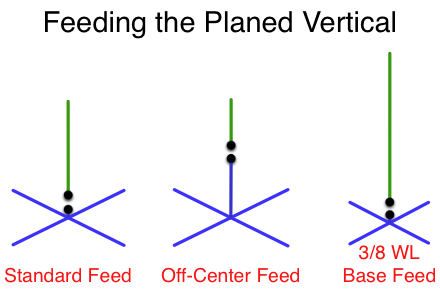
We re-introduce the theory and origins of Cebik’s (W4RNL) Asymmetrical Hatted Vertical Dipole (AHVD) antenna with the hope to facilitate a vertical polarization portable 20-10m aerial for portable operations.
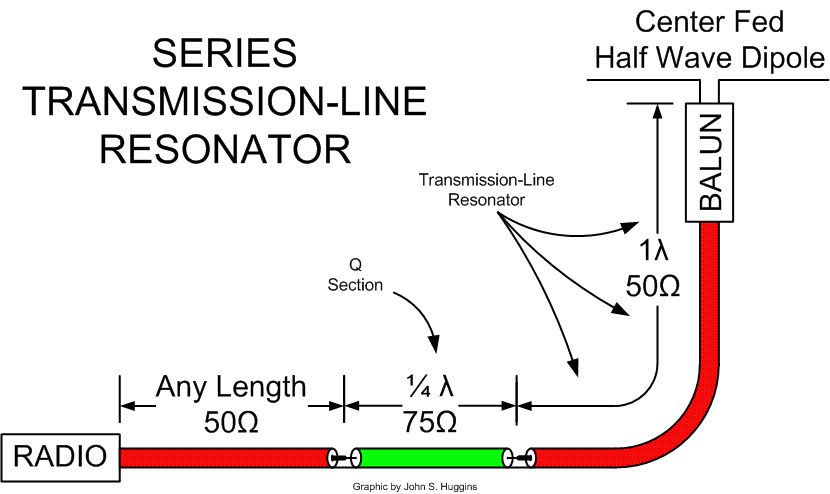
A 1/4 wavelength of 75 ohm coax inline with a full wavelength of 50 ohm coax is all one needs to make a simple 80m dipole become a wideband dipole antenna.
“Shocking” evidence our aerials collect electric charge plus an educational video on the topic of static electricity.
Keep it simple for the Jamboree on the Air – Use a ladder line fed dipole.
This J-Pole, Monopole, Coaxial Dipole VHF EZNEC shootout addresses a comment made that no models exist for j-pole and coaxial dipole antenna simulation.
With the upcoming solar cycle pushing operations on the HF bands towards success on 20 meters to 10 meters you might be wondering if a vertical antenna may be the right choice for making the most of this time.
Well, to be honest you may well have just as much success with a simple horizontal dipole strung up.
Dipoles are pretty easy to build and don’t cost too much if you would rather purchase one from Alpha-Delta or the Wireman.

However, if you…